Beginner's Guide to Sea Glass Collecting: How to Start Finding Beach Treasures
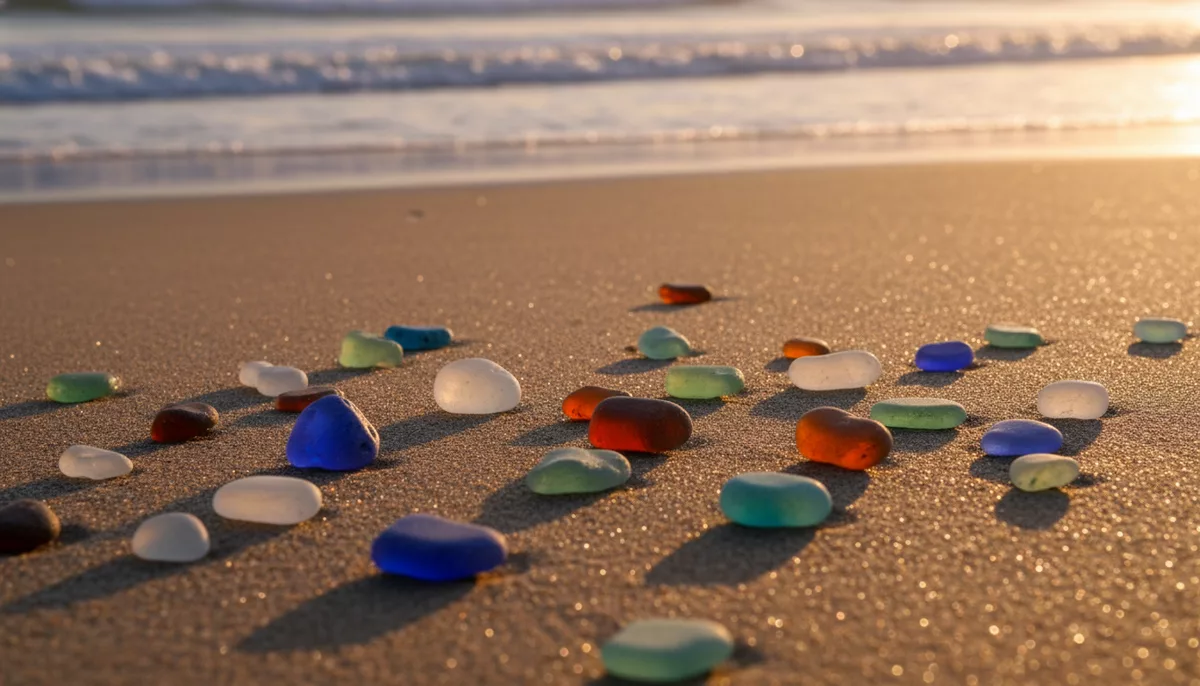
The first time you pick up a piece of sea glass, you probably won't believe it was once a broken bottle. Something about the frosted surface, the smooth edges, and the way it catches light makes it feel like the ocean made it just for you. That first find is usually what hooks people. If you've been curious about sea glass collecting but aren't sure where to start, this guide covers everything you need to know - from choosing a beach to identifying your finds.
What Is Sea Glass, Exactly?
Sea glass starts as ordinary broken glass - bottles, jars, tableware, windows, car tail lights, old insulators. When glass ends up in the ocean, waves and sand tumble it continuously for decades. The saltwater chemically etches the surface while the abrasion rounds off sharp edges and creates that distinctive frosted coating collectors call "hydration." A shard that started as a Coca-Cola bottle in 1975 might wash up as a perfectly smooth, frosted green gem in 2025.
The process takes a minimum of 20 to 30 years for thinner glass and 50 or more years for thick pieces. That's what separates genuine sea glass from the tumbled craft glass sold online - the ocean's process is slow, random, and leaves telltale surface patterns that no machine can perfectly replicate. We cover those differences in detail in our guide to identifying real vs. fake sea glass. For the full breakdown of what sea glass is made of, how the hydration and tumbling process actually works, and where most sea glass comes from, see our complete guide to what sea glass is.
Where to Find Sea Glass
Not every beach produces sea glass. You need a beach that had a historical source of glass - an old dump site, a fishing harbor, a former industrial waterfront, or a shipwreck area - combined with the right wave action to tumble and deliver that glass to shore.
What Makes a Good Sea Glass Beach
The best sea glass beaches share a few characteristics. First, a nearby historical glass source. Old coastal dumps are the jackpot - before modern waste management, towns routinely dumped garbage, including glass bottles, directly into the ocean or along coastal cliffs. Second, rocky or pebbly substrate. Glass tumbles better against rocks and coarse sand than fine sand. Third, strong wave energy. Beaches exposed to open ocean swells produce better-frosted, more mature glass than sheltered bays.
Some of the world's most productive sea glass beaches include Davenport Beach in California, where an old landfill above the cliffs feeds glass into the surf zone, and Seaham Beach in County Durham, England, which receives glass from the Seaham Glass Works that operated from the 1850s to 1921. Glass Beach at Fort Bragg is famous for its density of glass, though much of it has been collected over the years. For sheer spectacle, Steklyashka Beach near Vladivostok, Russia is carpeted with millions of glass pebbles from Soviet-era dumping. For a tropical option, Bermuda's sea glass beaches offer quality finds on stunning pink sand. And Okinawa, Japan is a year-round destination known for rare bonfire glass found on rocky coral coastlines. For a quiet UK option away from the crowds, Cardigan Bay in Wales produces well-frosted glass from centuries of Irish Sea shipping on a seldom-visited shingle coast. Check our locations guide for more beaches worth visiting.
Finding Sea Glass Beaches Near You
You don't need to travel to a famous beach. Most coastal communities have spots that produce sea glass if you know what to look for. Start by researching the history of your local coastline. Old fishing harbors, former ferry landings, decommissioned military installations, and pre-1970s waterfront communities all tend to have glass-producing shorelines. Talk to local fishing communities and longtime residents - they often know about dump sites and glass-producing spots that don't appear in any guide.
River mouths and estuaries are worth checking, too. Glass dumped inland sometimes washes downstream and gets tumbled in tidal zones where the river meets the sea. The pieces tend to be less frosted than ocean glass, but you can find unusual colors from inland sources like old pharmacies and factories.
When to Go: Timing Your Hunt
Timing matters more than most beginners realize. The difference between an empty-handed walk and a pocketful of finds often comes down to when you show up.
Tide and Weather
Low tide is essential. As the water recedes, it exposes the wrack line - that strip of seaweed, shells, and debris left behind by the last high tide. Sea glass concentrates along this line, especially in the gravel bands. Check a tide chart before you go and aim to arrive about an hour before low tide. That gives you the entire falling tide plus the slack period at the bottom.
Storm aftermath is prime collecting time. Winter storms and strong weather systems churn up the sea floor and deposit fresh material. The first low tide after a multi-day storm often produces finds that haven't been available in months - our guide to hunting after storms covers exactly how to time these trips safely. Spring tides - the extra-low tides that happen around full and new moons - expose areas of beach that are normally underwater, sometimes revealing glass deposits that rarely see daylight.
Season matters too. Winter and early spring typically produce the best finds in the Northern Hemisphere. Storms are more frequent, tides are more extreme, and fewer people are out competing for the same glass. Summer brings calmer seas, which means less new material getting churned up, though tourist-free early mornings can still be productive. For a detailed breakdown of how each season affects your odds, see our guide to the best time of year to find sea glass.
Time of Day
Early morning works best for two reasons. First, the beach hasn't been picked over by other collectors yet. Second, low-angle sunlight makes wet glass pieces glint against dark sand and gravel - they almost wink at you. Overcast days are actually easier on your eyes during long hunts, and the diffused light can make colors easier to distinguish than harsh midday sun.
What to Bring
Sea glass collecting is refreshingly low-gear. You don't need much, but a few items make the experience better:
- A container - A mesh bag, small bucket, or mason jar. Mesh bags are nice because sand and water drain out. Some collectors prefer clear jars so they can admire their finds as they go.
- Polarized sunglasses - They cut surface glare on wet sand and make glass pieces dramatically easier to spot. This is probably the single most useful piece of equipment.
- Comfortable shoes or boots - Waterproof if you're hunting in the surf zone. Rubber boots work well on rocky beaches.
- Knee pads - Optional but worth it if your knees complain about crouching. A lot of the best glass is tiny and requires getting low to the ground.
- A small rake or sand scoop - Useful for sifting through gravel lines where glass accumulates. A cat litter scoop actually works great.
- Sun protection - Hat, sunscreen, water. Beach time adds up fast when you're focused on the ground.
- A phone or camera - To photograph finds in context. Some collectors track their finds by beach and date.
How to Actually Hunt: Technique Matters
Walking up and down the beach scanning randomly is how most people start. It works, but you'll find a lot more glass with a deliberate approach.
Read the Beach
Before you start hunting, take a minute to read the beach. Look for the wrack line - the line of debris left by the last high tide. Follow it along the beach and note where heavier materials like gravel, shells, and pebbles concentrate. Glass has a similar density to small pebbles, so it sorts itself into the same bands. Rocky areas, tide pools, and spots where the beach transitions from sand to gravel are all high-probability zones.
Look for "glass traps" - natural features that catch and hold small objects. Crevices in rocky outcrops, depressions in bedrock, and spots where two rock formations create a funnel are all places where wave action concentrates glass. Once you find a good trap, check it every visit. The ocean refills them regularly.
Slow Down and Get Low
The biggest mistake beginners make is walking too fast. Sea glass is small - most pieces are between the size of a thumbnail and a quarter. At walking speed, your eyes can't process the ground fast enough to spot them, especially when they're mixed in with similarly-sized pebbles. Slow way down. Some experienced hunters describe their pace as "glacial."
Getting lower to the ground helps enormously. Crouch, kneel, or sit. From three feet up, a piece of sea glass looks like any other pebble. From twelve inches, the frosted surface and shape differences become obvious. Many of the best finds - the tiny rare-color pieces that experienced collectors prize - are essentially invisible from standing height.
Work the Gravel Lines
Sea glass concentrates in gravel bands because it has similar density and size to small stones. The wave action sorts materials by weight and size, creating natural bands along the beach. Walk along these gravel lines slowly, scanning the surface. If you find one piece, stop and search the immediate area carefully - glass tends to cluster because the same wave action that deposited one piece probably deposited others nearby.
Use a small rake or scoop to gently sift through the top layer of gravel. Glass pieces hide just below the surface all the time. Scoop a handful, let the sand drain through, and inspect what's left. This technique is particularly productive at beaches with known glass sources where competition from other collectors is high.
Identifying What You Find
Part of the fun is figuring out what your pieces used to be. The color usually tells you the most.
Common Colors and Their Origins
White/clear - The most common find. Comes from clear glass bottles, jars, windows, and tableware. The frosting makes it opaque white. Still beautiful, and large well-frosted white pieces are collectible in their own right.
Green - Almost as common as white. Most green sea glass comes from beer and wine bottles. Kelly green (from Heineken and similar brands) is the most frequent, but you'll also find olive green, forest green, and occasionally a soft seafoam green that's much less common.
Brown - Beer bottles, medicine bottles, and old snuff jars. Brown is common but nice pieces with good frosting are still worth keeping. Amber and honey-colored browns are a step above the standard dark brown.
For a detailed breakdown of rare colors - cobalt blue, red, orange, lavender, black, and more - see our guide to rare sea glass colors and the sea glass color rarity chart.
Grading Your Finds
Not all sea glass is created equal, even within the same color. Collectors generally look at four qualities:
- Frosting - Well-frosted glass has a consistent, thick patina that doesn't wash off when dry. Poorly frosted glass still looks somewhat shiny and glassy. Thick frosting indicates decades of ocean tumbling.
- Shape - Smooth, organic shapes are preferred over flat or angular pieces. The best pieces have no sharp edges at all and feel like smooth river stones.
- Size - Larger pieces are rarer because the tumbling process constantly grinds glass smaller. A well-frosted piece larger than a half dollar is a noteworthy find on most beaches.
- Color - Rarity drives value. A small, well-frosted red piece is worth more to most collectors than a large white one.
"Jewelry grade" is an informal term for pieces that are thick enough, well-frosted enough, and shapely enough to be wire-wrapped or drill-set into jewelry. These command the highest prices if you ever sell or trade. If you want to learn how to turn your best finds into wearable pieces, see our guide to making sea glass jewelry.
Building and Displaying Your Collection
As your collection grows, you'll want a system. Most collectors sort by color, which makes it easy to see what you have and what you're still hunting for. Clear glass jars on a windowsill are a classic display - the light passes through the frosted glass and creates a beautiful effect, especially with blues and greens. For more ideas beyond jars - shadow boxes, suncatchers, mosaics, and more - see our guide to sea glass display ideas.
Some collectors sort by beach or by date. If you photograph your finds with location data, you build a record over time that shows how a beach's output changes with seasons and storms. A few dedicated collectors keep spreadsheets, but a labeled jar for each beach works just as well.
Whatever you do, rinse your glass in fresh water when you get home. Salt residue dulls the frosting over time. A quick rinse and air dry is all it takes. Don't use soap or polish - you want to preserve the natural patina, not strip it off.
Etiquette and Ethics
Sea glass collecting has an informal code that experienced hunters take seriously.
Don't take fresh broken glass - If it's still sharp and shiny, leave it. It's trash, not sea glass, and it needs decades more tumbling before it qualifies. Some collectors even push sharp glass back into the water to give it a head start.
Respect protected areas - Some beaches prohibit collecting. State and national parks often have rules against removing any material, including sea glass. Fort Bragg's Glass Beach is a well-known example. Follow the rules even if others don't.
Share the beach - If someone is already working a section, give them space. There's an unwritten rule about not following directly behind another collector and picking up what they missed. Move to a different stretch and let them work their area.
Leave it better - Pick up actual trash when you see it. Plastic, fishing line, bottle caps. Sea glass collectors tend to be people who love beaches, so taking care of them is part of the deal.
Common Beginner Mistakes
A few things trip up new collectors. Knowing about them in advance saves frustration.
Expecting to find rare colors right away. Red, orange, and cobalt blue sea glass exists, but it's genuinely rare. You might hunt for years before finding a red piece. Enjoy the whites, greens, and browns - a jar of well-frosted common glass is still gorgeous. The rare colors will come when they come.
Confusing wet appearance with quality. Wet sea glass looks vibrant and impressive on the beach. Dry, it can look chalky and dull. This is normal - it's the frosting doing its job. Some collectors carry a spray bottle to re-wet their display pieces. Others accept the dry look as part of sea glass's character.
Keeping everything. Early on, you'll want to pocket every piece you see. After a few trips, you'll start developing an eye for quality and leaving behind the stuff that doesn't excite you. That's natural. Your standards will rise with experience, and that's a good thing.
Only checking one area. Don't just walk the waterline. Check up near the dunes, along cliff bases, in tide pools, and in rocky crevices. Glass ends up in unexpected places, and the waterline is where everyone else is already looking.
Frequently Asked Questions
Is it legal to collect sea glass from beaches?
In most places, yes. Sea glass is considered beach debris, not a natural resource, so collecting it is legal on the majority of public beaches. However, some national parks, marine reserves, and protected shorelines prohibit removing any materials. Fort Bragg's Glass Beach, for example, is within MacKerricher State Park where collection is technically not allowed. Always check local regulations before you collect, especially in state or national parks.
What is the best time of day to look for sea glass?
Early morning at low tide is ideal. The receding water exposes fresh material that hasn't been picked over by other beachcombers. Low-angle morning sunlight also makes wet glass pieces glint and stand out against sand and gravel. Overcast days can actually be easier on your eyes during long hunts.
How long does it take for sea glass to form?
Genuine sea glass needs at least 20 to 30 years of ocean tumbling to develop proper frosting and smooth edges. Thicker glass from old bottles can take 50 years or more. Beaches with coarse sand and strong wave action produce well-frosted glass faster than calm, fine-sand beaches.
What colors of sea glass are most common?
White (frosted clear glass), kelly green, and brown are the most common - they come from beer bottles, wine bottles, and everyday glassware. Seafoam and soft blue are less common. Cobalt blue, aqua, and purple are uncommon. Red, orange, yellow, and black are genuinely rare. See our rare sea glass colors guide for a full breakdown.
Do I need special equipment?
Not at all. Your eyes and a container are all you really need. Polarized sunglasses are the single most useful upgrade - they cut surface glare and make glass dramatically easier to spot. A small mesh bag, comfortable waterproof shoes, and sun protection round out the essentials. Some collectors add a small sand scoop for sifting gravel, but plenty of experienced hunters go out with nothing but their pockets.
Ready to Start?
Sea glass collecting is one of those hobbies that's simple to start and endlessly deep once you're into it. Your first trip might yield a handful of common whites and greens. But over time, you'll learn to read beaches, predict where glass accumulates, and spot tiny rare-color pieces that other people walk right over. The learning curve is what keeps it interesting.
Pick a beach with some history, check the tide chart, show up at low tide, and walk slowly. That's all it takes to start. If you want to know which beaches produce the best glass, check our sea glass locations directory. And when you find something you can't identify, our color rarity chart will help you figure out just how special your find really is.
Have a great sea glass beach to recommend? Drop us a line at info@1s0s.com.