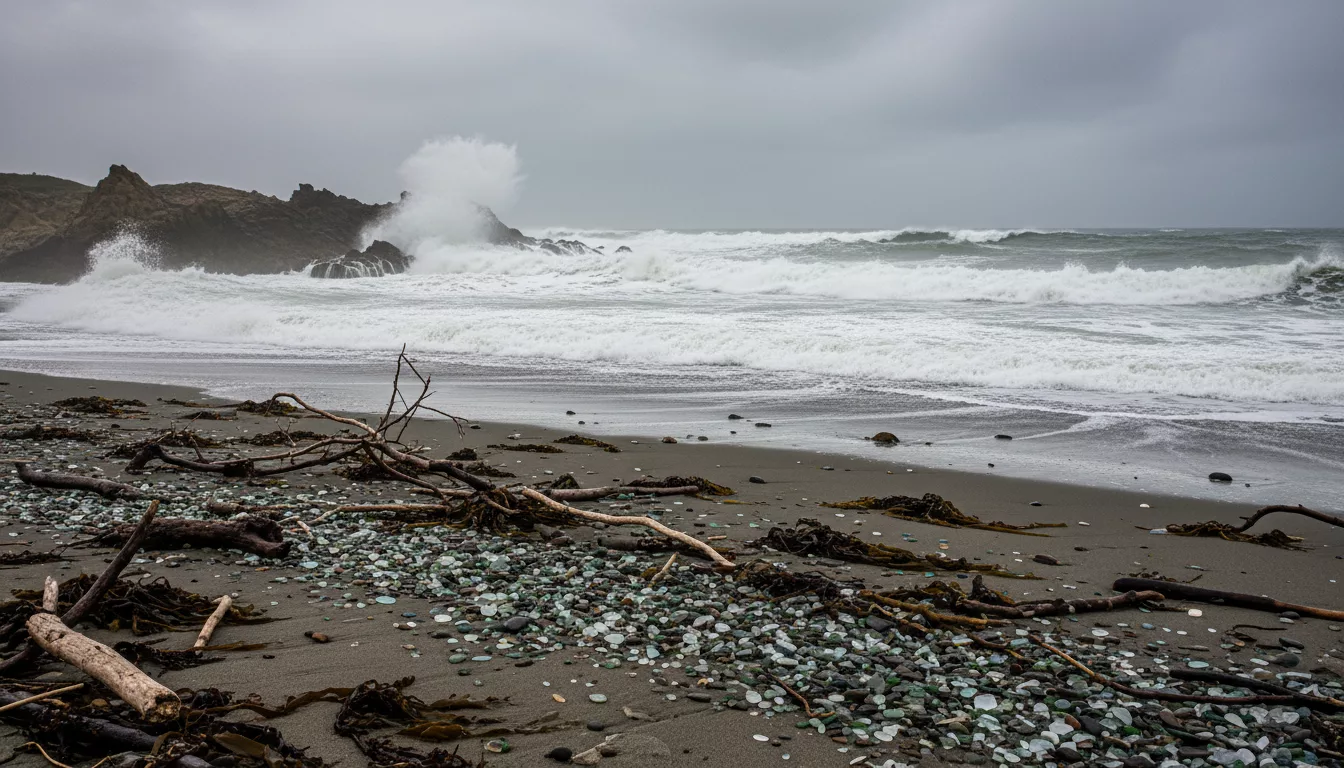
Ask any experienced sea glass collector about their best finds, and the same pattern comes up. It wasn't a sunny July afternoon with gentle waves lapping at the shore. It was the morning after a storm - sky still gray, beach torn up, seaweed piled everywhere - when they found that piece of red glass they'd been hunting for years.
This isn't coincidence. Storms fundamentally change what's available on a beach. They strip away layers of sand, churn up buried deposits, and deliver material from offshore that hasn't seen daylight in decades. If you only collect during calm weather, you're seeing maybe 10% of what's actually out there. The other 90% is buried under your feet, waiting for the next big blow to bring it to the surface.
Here's how storms work in your favor, how to time your trips for maximum results, and how to do it without getting yourself into trouble.
What Storms Actually Do to a Beach
To understand why post-storm collecting is so productive, you need to understand what's happening beneath the sand during rough weather. A beach isn't a static pile of sand with glass sitting on top. It's a constantly shifting system of layers, and sea glass lives in those layers at various depths.
Sand Stripping
Normal waves move sand around gently - a few inches here, a few inches there. Storm waves are a completely different animal. They're taller, they break harder, and their backwash - the water rushing back down the beach - carries far more force. This backwash pulls sand off the beach face and drags it into deeper water, sometimes removing a foot or more of surface material in a single storm.
When that sand gets pulled away, everything that was buried underneath gets exposed. Sea glass that settled into a gravel layer years ago suddenly finds itself sitting on the surface. Pottery shards, old bottle stoppers, marbles - all the heavy objects that sink through sand over time - appear as if someone dumped a bucket of treasure on the beach.
This is why experienced collectors often talk about "fresh exposures." They're not looking for glass that washed in from the ocean. They're looking for glass that was already there, buried, now revealed because the storm peeled back the covering layer of sand.
Cliff and Bank Erosion
Many of the best sea glass beaches sit at the base of bluffs or coastal banks. These banks often contain old dump sites, broken glass from decades of human activity, or natural deposits of ocean-tumbled glass that got incorporated into the soil long ago. During calm weather, these banks are stable. During storms, the combination of rain, wave spray, and direct wave impact undercuts and collapses sections of the bank, spilling fresh material onto the beach below.
At Davenport Beach in California, for example, much of the sea glass comes from an old dump on the bluffs above. Winter storms regularly eat into those bluffs, releasing glass that then gets tumbled in the surf. Collectors who show up after major storms routinely find pieces that haven't been seen in years - colors and patterns that aren't in the regular rotation of what washes up during calm weather.
Offshore Delivery
The ocean floor near the coast isn't smooth. There are sandbars, rocky channels, and depressions where heavier objects - including sea glass - tend to accumulate over time. Think of them as underwater collection points. Normal waves don't have enough energy to move material out of these traps, so the glass just sits there, slowly tumbling against rocks and other glass.
Storm waves reach deeper. They stir up bottom sediments that normally stay put, and the powerful currents associated with storms can transport that material shoreward. After a major storm, you might find pieces with unusually heavy frosting and rounded edges - glass that's been tumbling on the ocean floor for a very long time and just now got pushed onto the beach. These offshore pieces are often among the best-quality glass you'll find.
Timing Your Post-Storm Hunt
Getting the timing right makes a huge difference. Go too early and you're risking your safety. Go too late and other collectors (or the next tide) have already cleaned out the best spots.
The Golden Window: First Low Tide After the Storm
The absolute best time to hunt is the first low tide after the storm passes and conditions are safe. This is when you'll see the most exposed beach surface, the freshest deposits, and the least competition from other collectors.
Check your local tide charts before the storm even hits. Know when that first post-storm low tide falls, and plan to be there with at least an hour of daylight on either side of it. If the low tide happens to fall at dawn, even better - you'll likely have the beach entirely to yourself.
The 1-3 Day Sweet Spot
The first three days after a significant storm are your prime collecting window. Here's roughly how it plays out:
- Day 1 (storm day). Stay home. Conditions are dangerous, and the beach is actively being rearranged. Nothing you'd find is worth the risk.
- Day 2 (clearing day). If the weather has genuinely cleared and wave heights have dropped to manageable levels, this is often the single best day. Fresh deposits, no foot traffic, maximum exposure. Check the wave forecast - if swells are still above 6-8 feet, wait another day.
- Day 3. Still excellent, especially if Day 2 was too rough. Some material gets pushed around by tides overnight, so you may find glass in slightly different positions than where it was deposited. The beach is starting to return to its normal profile, but there's still plenty of exposed material.
- Day 4+. Returns diminish quickly. Other collectors have been through, sand is rebuilding over exposed layers, and normal wave action is smoothing everything out. You'll still find more than on a typical calm day, but the bonanza is fading.
Which Storms Produce the Best Results
Not all storms are equal for sea glass collecting. The best conditions come from specific types of weather events:
- Winter nor'easters (East Coast). These are the gold standard for East Coast collectors. Sustained strong onshore winds, big swells, and they often coincide with high astronomical tides. The combination strips beaches bare.
- Pacific winter storms (West Coast). Large low-pressure systems that send big swells directly at the coast. The best ones stall offshore and pound the coast for 2-3 days straight, which does more beach reshaping than a single intense hit.
- Hurricane remnants. Post-tropical storms that track up the coast can generate enormous surf and storm surge. Some of the biggest single-day sea glass hauls on record have come after tropical systems.
- Strong onshore wind events. Even without a named storm, several days of sustained onshore wind (15+ mph) with building swells can move significant material. These are easier to predict and safer to collect after.
Storms with offshore wind components (wind blowing from land toward the ocean) are less productive. They push water away from shore rather than onto it, which means less beach erosion and less new material deposited.
Where to Look on a Storm-Washed Beach
A beach after a storm looks different from its calm-weather self. The usual landmarks may be rearranged. Knowing where to focus your attention saves time and increases your find rate.
The Wrack Line
After storms, the wrack line - that ribbon of seaweed, shells, and debris marking the highest point the waves reached - is usually pushed much further up the beach than normal. Sometimes there are multiple wrack lines from successive high tides during the storm. Walk each one carefully. Sea glass is heavier than most organic debris and tends to settle at the base of wrack piles or in gaps between clumps of kelp.
Don't just scan the surface. Kick through seaweed piles gently with your foot. Glass often hides underneath a layer of kelp, invisible until you disturb the covering material. A stick or a rake can help if you're thorough about it.
Gravel Patches and Exposed Layers
Storm erosion often creates distinct patches where the sand has been stripped down to underlying gravel or cobble. These patches are sea glass magnets. Glass and gravel have similar density, so they tend to accumulate together. If you see a section of beach that's suddenly rocky or pebbly when it's normally sandy, that's where you want to spend your time.
Get low. Crouch or kneel at these gravel patches and scan at a shallow angle. Sea glass blends in with wet gravel surprisingly well, especially greens and browns. Changing your viewing angle - looking into the light versus away from it - helps frosted glass surfaces catch your eye differently.
Cliff Base and Erosion Scars
If your beach has bluffs or banks above it, check the base of any fresh erosion. Newly fallen soil often contains glass that was buried in the bank for years. You'll sometimes find pieces that are barely tumbled - they came from the dump or discard site in the bank rather than from ocean tumbling. These pieces aren't traditional sea glass (they lack the frosting and rounding), but they're interesting artifacts that tell the history of the area.
Be cautious near fresh cliff falls. The ground above may be unstable, and more material could come down. Don't stand directly under overhanging sections, and keep an eye on the cliff face while you work the base.
Stream Outlets and Drainage Channels
Rainwater from the storm runs off the land and carves temporary channels across the beach on its way to the ocean. These channels concentrate heavy objects - including sea glass - along their banks and at the point where they fan out onto the beach. Follow any stream channel from the cliff base to the waterline, checking both sides. The glass collects in eddies and along the inner curves where current slows down.
Safety First - This Isn't Optional
Post-storm beaches are genuinely dangerous. Every year collectors get caught by conditions they underestimated. No piece of glass is worth a trip to the emergency room - or worse.
Sneaker Waves
This is the biggest danger. After storms, wave patterns are irregular. The ocean is still sorting itself out, and rogue waves - significantly larger than the prevailing surf - can surge up the beach with almost no warning. Sneaker waves have killed experienced beachgoers who were standing in areas they thought were safe based on the previous waves they'd watched.
The rule is simple: never turn your back on the ocean. Keep it in your peripheral vision at all times. Stay well above the current wave line - further than you think you need to. If you're on a beach where you can't retreat quickly (steep cobble, soft sand that's hard to run in), stay even further back. Waves after storms can reach 50-100 feet further up the beach than normal.
Unstable Ground
Storm-eroded beaches have undercut banks, collapsed sections, and waterlogged soil that may not support your weight. Test footing before committing your weight, especially near cliff edges or newly exposed banks. Sand that looks solid may be saturated and give way. Rock surfaces coated in fresh algae from the storm surge are extremely slippery.
Debris in the Water and Sand
Storms deposit all kinds of debris - broken wood with nails, metal fragments, wire, sharp shell fragments, waterlogged lumber. Wear sturdy footwear with thick soles. Sandals and bare feet are asking for a puncture wound. Rubber boots or hiking shoes with good tread are ideal.
Basic Safety Checklist
- Check the marine forecast before heading out - look for wave heights, tide times, and any active advisories
- Tell someone where you're going and when you expect to be back
- Wear waterproof boots with good traction and ankle support
- Bring a phone in a waterproof case
- Go with a buddy when possible - solo collecting on post-storm beaches carries extra risk
- If conditions look worse than expected when you arrive, leave and come back tomorrow
- Watch the ocean for at least 10 minutes before walking onto the beach to gauge wave behavior
What to Expect: Quality and Quantity
Post-storm hunts tend to produce both more glass and better glass than calm-weather outings. But the nature of what you find is different too.
More Heavily Frosted Pieces
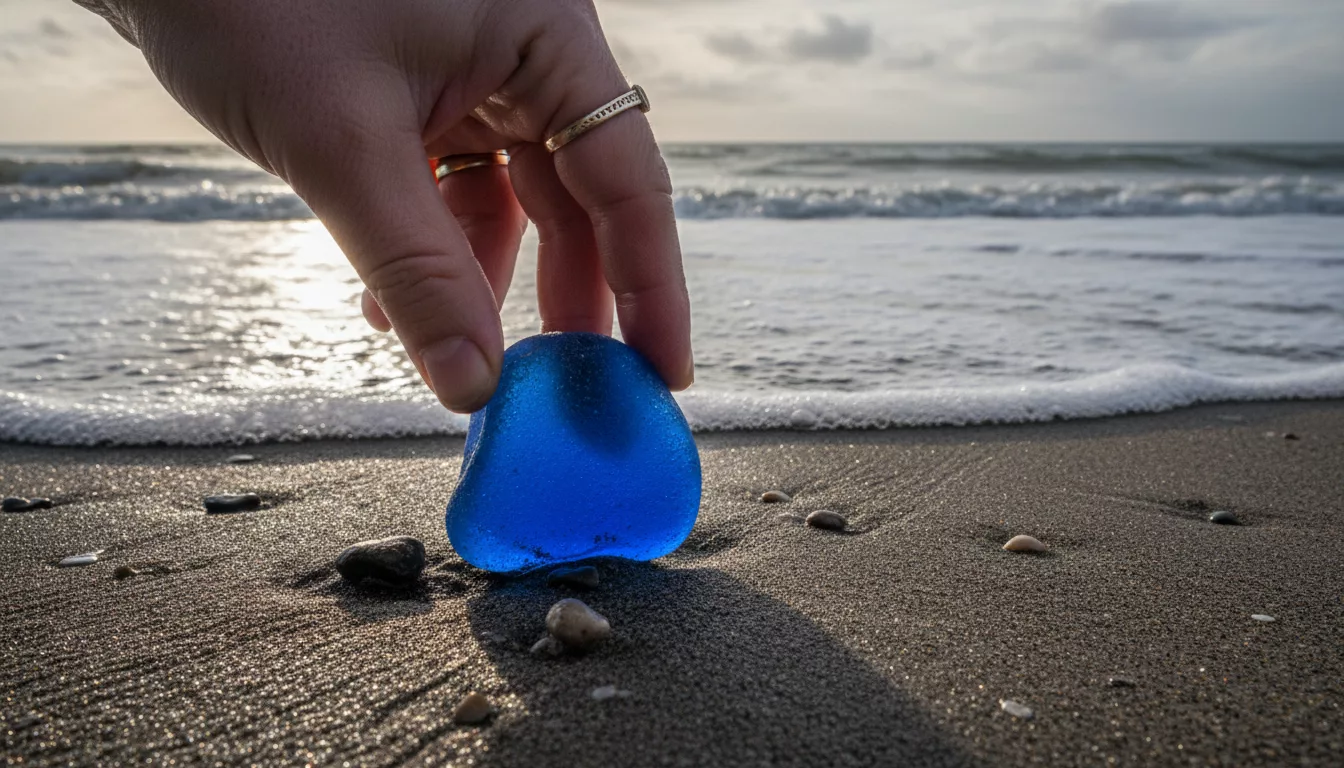
Glass that's been buried in sand or sitting on the ocean floor for extended periods develops deeper frosting than glass cycling through the surf zone regularly. Storm deposits often include pieces with thick, opaque frosting - the kind that collectors prize and that indicates long ocean exposure. If you're looking for well-aged glass with that chalky, worn-down surface, post-storm is your best bet.
Unusual Colors and Shapes
The regular supply of sea glass at any given beach comes from a relatively limited set of sources - local dumps, harbor debris, the same currents cycling the same material. Storms shake up the system. They pull glass from deposits that don't normally contribute to the surface supply. This means you're more likely to encounter rare colors and unusual shapes - glass from sources that exhausted their surface supply years ago but still have material buried deeper.
Larger Pieces
Bigger, heavier pieces of glass need more energy to move. Normal waves can push small shards around but leave larger chunks settled in place. Storm waves move everything. Pieces the size of your palm that would normally stay buried in gravel layers can end up sitting in the open after a good blow. If you've ever wondered where all the big pieces went, the answer is they're down in the gravel waiting for a storm to free them.
Mixed with More Debris
The flip side is that storms deposit everything, not just sea glass. You'll be sorting through more shells, rocks, pottery, brick fragments, and random debris than usual. Bring a bag specifically for glass and be prepared to pick through more material to find the good stuff. The ratio of glass to other material is lower, but the absolute quantity of glass is higher.
Putting It Into Practice
Here's a practical approach for making the most of storm season:
Before Storm Season
Scout your beaches during calm weather. Note where gravel layers exist, where cliffs show signs of previous erosion, and where wrack lines typically form. Identify easy access and exit points. Know your retreat routes. All of this preparation means you can move efficiently and safely when the time comes.
During the Storm
Watch the forecast, not the beach. Track wave heights, wind direction, and tide predictions. The best-case scenario for collecting is a storm with strong onshore winds coinciding with high astronomical tides - this combination maximizes beach erosion and material transport. Note which tide cycle will be the first low after the storm passes.
After the Storm
Get there early. Bring a headlamp if the first safe low tide falls before sunrise. Work the wrack lines first, then the gravel exposures, then the cliff bases. Spend the majority of your time in the areas that look most disturbed - these are the spots where the beach has been rearranged and fresh material is sitting on the surface.
Take a systematic approach rather than wandering randomly. Pick a section of beach and work it thoroughly before moving on. Walking quickly and scanning casually works fine on calm days, but post-storm beaches reward slow, careful looking. The glass is often mixed into debris or partially buried in gravel, and a quick scan misses a lot.
If you find one good piece, slow down even more. Sea glass doesn't distribute randomly - it concentrates where current and wave energy deposit heavy objects. A single good find often means there are more in the same immediate area.
Frequently Asked Questions
How long after a storm should you look for sea glass?
The best window is 1-3 days after the storm passes. Go as soon as the weather clears and conditions are safe. The first low tide after a major storm is the prime opportunity - fresh material has been deposited but hasn't been picked over by other collectors or buried again by subsequent tides. Waiting more than a few days means other hunters may have already taken the best pieces, and normal wave action starts redistributing the glass.
Why do storms bring more sea glass to the beach?
Storms generate larger, more powerful waves that reach further up the beach and dig deeper into the sand and gravel layers. Sea glass that has been buried under sediment - sometimes for years - gets churned up and deposited on the surface. Storm surge also erodes beach cliffs and banks, exposing glass that was locked in compacted soil. Strong currents pull material from offshore deposits and dump it in new locations along the beach.
Is it safe to go sea glass hunting right after a storm?
Wait until the storm has fully passed and conditions have improved before going to the beach. The main dangers are sneaker waves, unstable cliffs that may have been undermined by erosion, debris in the water and on the sand, and slippery rocks. Check local wave forecasts, never turn your back on the ocean, wear sturdy waterproof footwear, and tell someone where you're going and when you'll be back.
What type of storm is best for sea glass hunting?
Winter nor'easters and strong coastal storms with sustained onshore winds are the most productive. You want storms that generate large swells hitting the coast head-on, combined with high tides. The combination of big waves and elevated water levels strips away the most sand and exposes the deepest layers. Hurricane remnants can also produce excellent collecting conditions, but safety should always come first - never go during the storm itself.