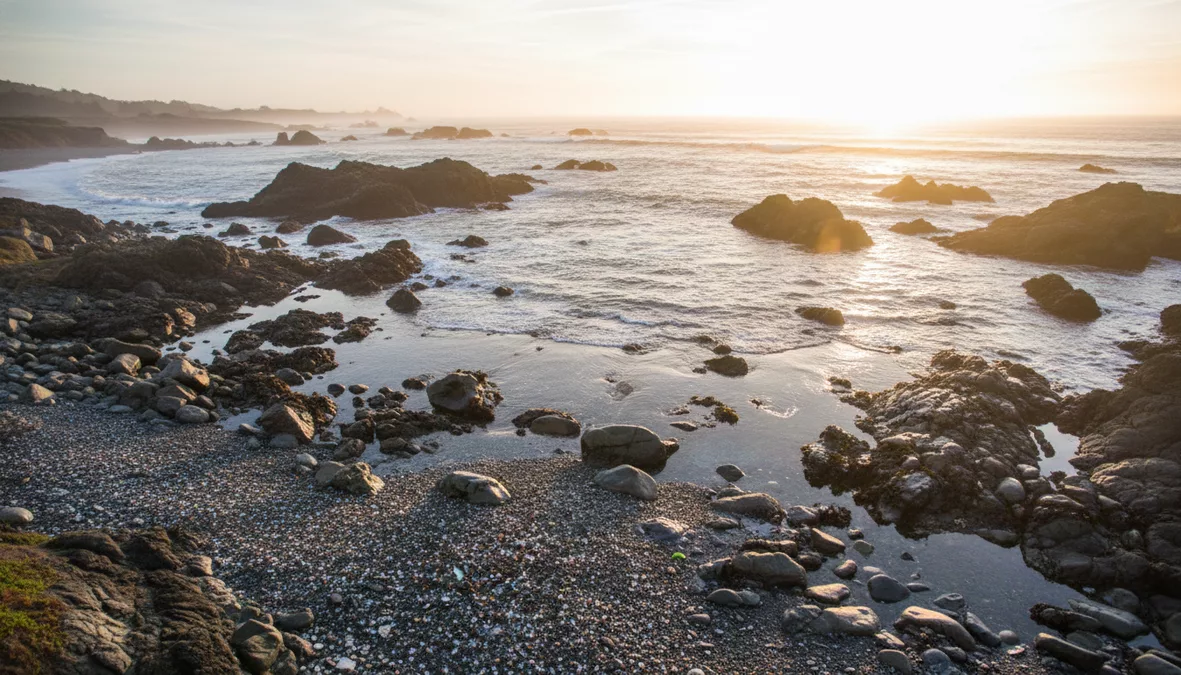
If there's one sea glass beach that every collector knows by name, it's Glass Beach in Fort Bragg. Tucked inside MacKerricher State Park on the Mendocino coast of Northern California, this beach is covered in thousands of smooth, frosted glass pebbles - the result of decades of trash dumped off the nearby cliffs. The Pacific Ocean did what no human could: it turned garbage into something beautiful.
How Glass Beach Was Made
For most of the 20th century, Fort Bragg residents used the coastal bluffs north of town as a dump site. Household trash, old appliances, broken bottles, and car parts were tossed over the edge onto the beach below. Three separate dump sites operated along this stretch of coast, and they stayed active until 1967 when the state finally shut them down.
Several cleanup efforts removed the larger debris - metal, appliance frames, rusted car bodies. But the glass was left behind. Over the following decades, the constant churn of Pacific waves broke the bottles and jars into smaller and smaller fragments, grinding their sharp edges smooth and frosting their surfaces. What was once a garbage dump slowly became one of the most striking natural recycling projects on the planet.
In 2002, the area was absorbed into MacKerricher State Park, and today Glass Beach is one of the most-visited spots on the entire Mendocino coast.
What You'll Find
Glass Beach is known for the sheer density of sea glass underfoot. The pebble-covered shore is packed with tumbled glass in a range of colors:
- Green - The most abundant color, from old beer and wine bottles. Ranges from dark forest green to bright Kelly green.
- Brown - Also very common, sourced from beer bottles and old medicine containers.
- Clear/white - Frosted fragments from jars, plates, and clear bottles. They catch the light beautifully on sunny days.
- Cobalt blue - Less common but still findable. These came from old medicine bottles and decorative glassware.
- Aqua and seafoam - Occasional pieces from mason jars and early 20th century bottles.
- Red and orange - Extremely rare here, as everywhere. If you spot one, consider it a lucky day.
Most of the glass pieces at Glass Beach are small - thumbnail-sized or smaller. The larger, more impressive pieces were collected by visitors over the years before collecting was banned. But the quantity is still remarkable, and the combination of colored glass mixed with natural pebbles and sand creates a scene that looks almost artificial.
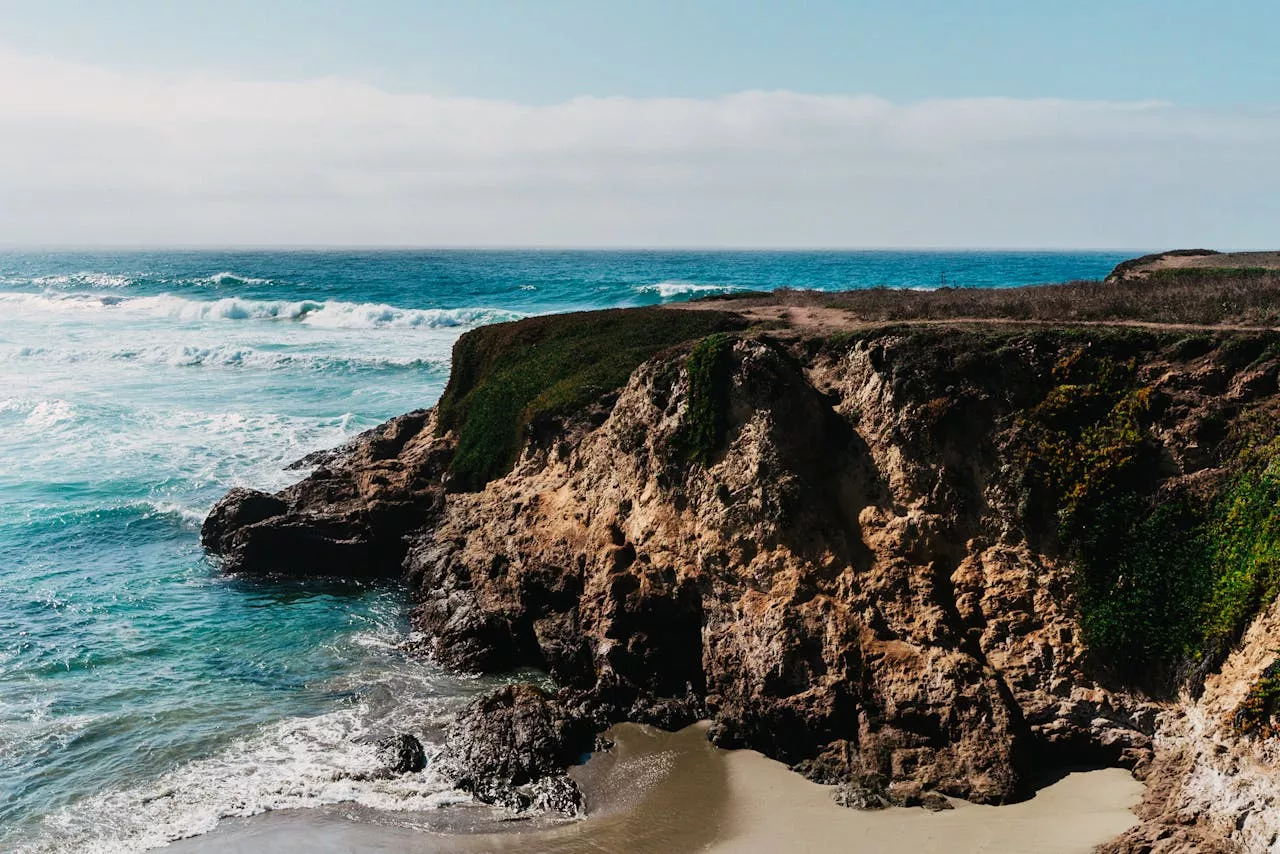
Can You Take Sea Glass From Glass Beach?
No. This is the most important thing to know before visiting. Collecting sea glass at Glass Beach is prohibited. The beach is part of MacKerricher State Park, and removing any natural or cultural material - including sea glass - is against park regulations. Fines can be issued.
This policy exists because decades of visitors pocketing handfuls of glass was visibly depleting the beach. Old photos from the 1990s show far more glass coverage than what's there today. The ban is meant to preserve what remains so future visitors can experience it too.
That said, Glass Beach is still a fantastic place to photograph sea glass, study the colors up close, and appreciate the scale of what the ocean has created. Just keep it a "look, don't take" trip.
Visiting Tips
- Getting there - Glass Beach is at the end of Glass Beach Drive in Fort Bragg, about 3.5 hours north of San Francisco. There's a parking lot near the trailhead.
- The trail - A short, easy walk from the parking area leads down to the beach. It's steep in a couple of spots but manageable for most visitors.
- Best time to visit - Low tide gives you the widest beach and the best glass visibility. Morning light is ideal for photography. Weekday visits are less crowded.
- Wear sturdy shoes - The beach is rocky and uneven. Flip-flops won't cut it.
- Bring a macro lens - If you're into photography, close-up shots of the glass are where the magic is. A macro lens or even a phone macro attachment makes a huge difference.
- Check the weather - The Mendocino coast can be foggy and cold even in summer. Layers are a good idea year-round.
- Nearby - Fort Bragg itself is a charming town with restaurants, art galleries, and the Skunk Train. The Mendocino Headlands and Russian Gulch State Park are close by for more coastal exploring.
Glass Beach vs. Davenport Beach
Collectors often compare these two California sea glass destinations. They're quite different experiences:
- Glass Beach is about quantity and visual impact - thousands of small, well-tumbled pieces covering the shore. It's scenic and accessible, but collecting isn't allowed.
- Davenport Beach is about rarity - fewer pieces overall, but the colors and patterns are extraordinary. Multi-colored art glass, rare reds and oranges, UV-reactive pieces. Collecting is still possible, but the conditions are much rougher and more dangerous.
If you're visiting California and have time for both, they make a great pair. Glass Beach for the visual spectacle, Davenport for the treasure hunt.
History of the Three Dump Sites
Glass Beach actually refers to three separate beach areas where dumping occurred, commonly called Site 1, Site 2, and Site 3. Site 1 is the most accessible and most visited - it's where the main trail leads. Site 2 and Site 3 are farther north along the coast and require a bit more walking to reach. These secondary sites tend to be less picked over and can have more glass, but they're also less maintained and can be trickier to access.
The dump sites operated at different times, so the glass at each location has a slightly different character. Some collectors prefer Sites 2 and 3 specifically because they see fewer tourists and the glass is less disturbed.
More Sea Glass Locations
Exploring other beaches? Check out our full list of sea glass locations, read about Davenport Beach (California's other legendary sea glass spot), discover Seaham Beach in England, or head to the tropics with Glass Beach on Kauai - where millions of glass pebbles cover a volcanic shore.