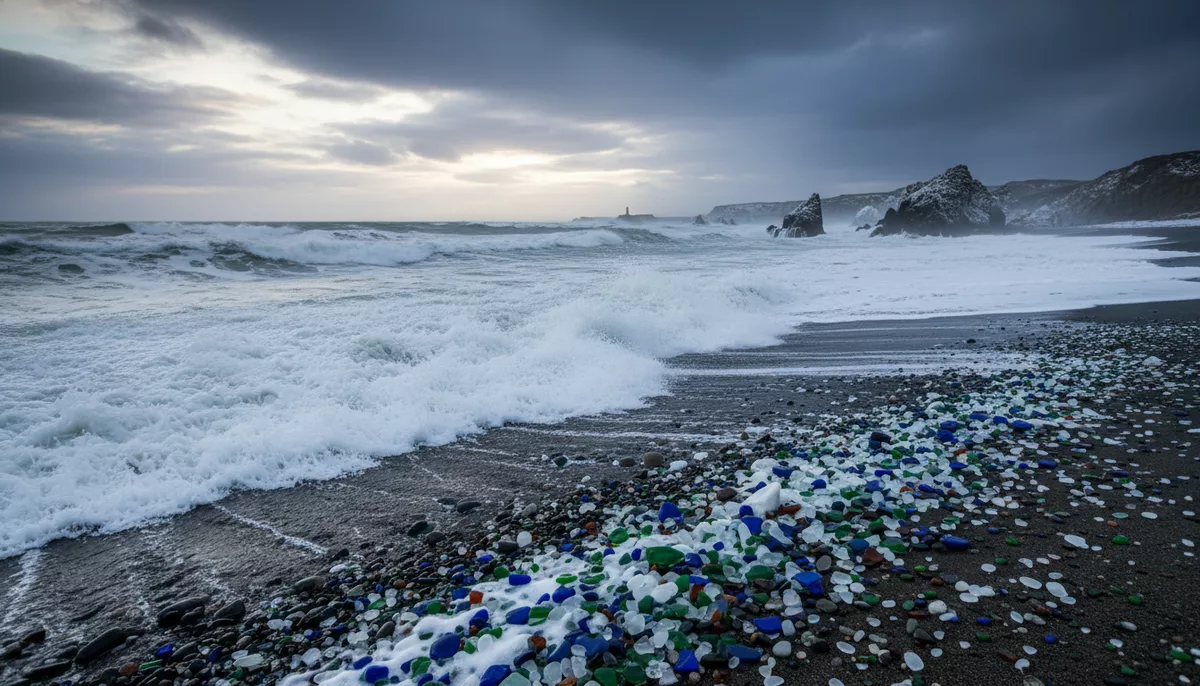
Timing matters more than most collectors realize. You can visit the same beach ten times and come home empty-handed, then show up on the right day after the right storm and fill your pockets in an hour. The difference isn't luck - it's understanding how seasons, tides, weather patterns, and even the time of day all work together to put sea glass within reach.
This guide breaks down when to hunt for sea glass across the year, and more importantly, why certain conditions produce better results. Once you understand the mechanics behind it, you can start planning trips around the conditions rather than hoping for the best.
Why Timing Matters for Sea Glass
Sea glass doesn't appear randomly. It follows predictable patterns driven by ocean physics. Glass enters the ocean from dumpsites, shipwrecks, storm drains, or eroding landfills. It sinks, rolls along the seabed, and gets buried in underwater gravel banks. It only reaches the beach when wave energy is strong enough to churn up those deposits and push material shoreward.
That's the key insight: the glass is almost always out there, sitting offshore in gravel beds. What changes is whether the ocean delivers it to you. Strong storms, big tidal swings, and seasonal current shifts all increase the chances that glass moves from deep water to the wrack line where you can find it.
The other side of the equation is competition. On a warm summer weekend, a popular beach might get picked clean by mid-morning. Visit that same beach at dawn on a raw November Tuesday after a nor'easter, and you could have it to yourself with fresh material everywhere.
Season by Season Breakdown
Winter (December - February): The Prime Season
Winter is the best season for sea glass on most coastlines, and it's not close. Here's why:
Storm frequency peaks. Winter storms bring sustained high winds, heavy wave action, and powerful swells that churn the seabed far more than summer weather does. A strong coastal storm can move tons of material onshore in a single tide cycle. The 24 to 48 hours after a major storm - once it's safe to be on the beach - consistently produces the best hunting of the year. We wrote a full guide on finding sea glass after storms if you want to make the most of rough weather.
Beaches erode to hard surfaces. Summer waves deposit sand, building beaches up. Winter waves strip sand away, exposing the rocky substrate, cobble, and gravel underneath. Sea glass collects in these harder layers because it's roughly the same size and weight as the cobbles and pebbles around it. When winter strips the sand away, you're looking at material that's been accumulating for months.
Fewer people. Cold, windy beaches don't attract crowds. You'll often have miles of shoreline to yourself. At Seaham Beach in England, where Victorian-era glass factory waste produces some of the world's best multi-colored sea glass, winter visitors regularly find pieces that would be scooped up within minutes during the summer tourist season.
Longer low tides expose more ground. Winter tidal ranges tend to be more extreme, particularly during new moon and full moon spring tides. At Davenport Beach in California, a winter minus tide can reveal an extra 50 to 100 feet of normally submerged cobble beach - prime sea glass territory that's underwater for most of the year.
The tradeoff is obvious: it's cold, wet, and potentially dangerous. Sneaker waves are more common in winter, and hypothermia is a real risk if you get caught by a wave. Dress in layers, wear waterproof boots, and never turn your back on the ocean.
Spring (March - May): The Transition Window
Spring is an underrated season for sea glass collecting. The tail end of storm season still delivers occasional rough weather, but the days are getting longer and warmer. You get something close to winter-quality conditions with more comfortable hunting.
Late-season storms. March and April can still produce powerful coastal storms, especially on the Atlantic coast. These late storms hit beaches that haven't been picked over recently, since most collectors stopped coming during the coldest months. Spring nor'easters in New England and mid-Atlantic states regularly produce excellent sea glass at beaches like Spectacle Island in Boston Harbor.
Snowmelt and river runoff. On beaches near river mouths, spring snowmelt increases river flow and can wash out glass from upstream dump sites. Rivers that pass through old industrial towns sometimes carry glass fragments that eventually reach the beach. This is a less predictable source but worth knowing about if you hunt near estuaries.
Beach profile is still favorable. Sand hasn't fully built back up from summer deposition yet, so the harder cobble layers are often still partially exposed through April and into May. You get better access to the substrate where glass collects without the worst of winter weather.
Spring is also when beach cleanup crews start working. If you hunt at a beach that gets regular maintenance, time your visits before the cleanup crews come through - they sometimes remove sea glass along with actual trash.
Summer (June - August): Low Season
Summer is the toughest season for sea glass collecting, but it's not hopeless if you adjust your approach.
Calmer seas mean less delivery. Without strong storms to churn the seabed, less new material reaches the shore. The glass that's been sitting offshore in gravel banks stays offshore. Beaches build up with sand, burying the cobble and gravel layers where glass tends to concentrate.
Competition increases. Every tourist, beachcomber, and casual stroller is now a potential competitor. Popular sea glass beaches get picked clean daily during peak season. Glass Beach at Fort Bragg sees hundreds of visitors per day in summer - the glass that took decades to tumble gets collected in hours.
How to make summer work. Get to the beach at first light, before other visitors arrive. Focus on less popular beaches or harder-to-reach spots that don't get as much foot traffic. Look for glass in crevices between rocks, along the edges of tide pools, and in areas where seaweed piles up - these spots get overlooked by casual beachgoers. Also watch for summer thunderstorms and the occasional tropical system, which can produce brief bursts of wave energy that shake loose new material.
One advantage of summer: longer daylight hours give you more hunting time. And dry conditions make it easier to spot glass - wet sand under overcast skies can make frosted glass nearly invisible, while dry sand in direct sunlight makes it pop.
Fall (September - November): The Comeback Season
Fall is when conditions start turning back in the collector's favor, and experienced hunters know it.
Hurricane and nor'easter season. On the Atlantic coast, fall brings the possibility of hurricanes and strong nor'easters. These are the most powerful beach-reshaping events of the year. The swell from a hurricane passing offshore - even one that doesn't make landfall nearby - can produce waves large enough to completely rearrange a beach and bring up deep material. Some of the best single-day hauls I've heard about from East Coast collectors happened in the days after fall hurricanes.
Tourist crowds thin out. After Labor Day, beach traffic drops dramatically. September and October offer mild weather with significantly fewer competitors. You get the comfortable temperatures of summer with growing wave energy and shrinking crowds - arguably the best overall combination of factors.
Beach erosion begins. Fall storms start stripping the summer sand buildup, gradually exposing the cobble layers again. Each storm removes more sand and reveals more of the substrate. By November on most beaches, you're seeing conditions that approach winter quality.
Fall equinox tides. The September equinox produces some of the most extreme tides of the year. Spring tides around the equinox can be the lowest (and highest) of any month. Plan a hunt around a fall equinox spring low tide for maximum beach exposure.
Tides: The Single Most Important Variable
If you only pay attention to one thing, make it the tide. More sea glass hunts succeed or fail based on tidal timing than any other factor.
Low tide is when you hunt. This is non-negotiable. At high tide, the ocean covers most of the area where sea glass collects. At low tide, that zone is exposed and walkable. The difference in searchable area between high and low tide can be hundreds of square feet on a rocky beach.
Hunt during the falling tide. The ideal window is from about an hour before low tide to an hour after. The receding water steadily reveals fresh material. Glass that was sitting in a few inches of water an hour ago is now sitting on dry gravel. You're essentially getting a slow reveal of new territory as the tide drops.
Spring tides vs. neap tides. Spring tides (during new moon and full moon) produce the biggest tidal range - the lowest lows and the highest highs. Neap tides (during quarter moons) have the smallest range. Always check a tide chart before heading out. A spring tide low point can expose areas of beach that are never visible during neap tides - and those rarely-exposed areas can hold glass that hasn't been picked through in weeks.
Negative (minus) tides. Some low tides drop below the normal zero datum - these are called negative or minus tides. They're the holy grail for sea glass hunters. A -1.5 foot tide reveals beach that's underwater more than 95% of the time. If you have a beach that produces sea glass, check a tide table for upcoming minus tides and mark your calendar.
Weather: What Conditions to Watch For
After Storms
The period immediately after a storm is the single best hunting window of the year. Strong onshore winds and large swells churn up the seabed, break apart compacted gravel, and push material shoreward. One good storm can deposit more sea glass on a beach than a month of calm weather.
Wait until conditions are safe - don't hunt during the storm. Rip currents, sneaker waves, and debris-laden surf are genuinely dangerous. Give it 12 to 24 hours after the worst of the weather passes, then get to the beach at the next low tide.
Wind Direction
Onshore winds (blowing from sea toward land) push water and floating debris toward the beach. After sustained onshore winds, check the high tide line for lightweight sea glass that may have floated in with seaweed and organic debris. Offshore winds do the opposite - they can actually pull material away from the beach. The ideal pattern is strong onshore winds during a storm followed by calmer conditions when you go to search.
Rain and Visibility
Light rain can actually help sea glass hunting. Wet glass reflects differently than wet stone - frosted sea glass has a slight glow when wet that distinguishes it from surrounding pebbles. But heavy rain reduces visibility and makes footing treacherous on rocky beaches. Overcast skies are fine; downpours are not worth it.
Time of Day
Early morning is best, for two reasons. First, low-angle sunlight hits glass differently than it hits rock. When the sun is near the horizon, frosted sea glass catches the light and stands out against darker cobble. Second, you beat other collectors. On any beach that gets regular visitors, the person who arrives at dawn finds more than the person who arrives at noon.
Late afternoon works similarly - the low-angle light returns and any glass deposited during the day's tidal cycle is fresh. But you're competing with daytime visitors who may have already picked through the accessible areas.
Avoid midday on sunny days. Direct overhead sun makes everything look the same - white pebbles, shell fragments, and sea glass all blur together. The contrast that makes glass visible at dawn disappears when the sun is directly above.
Putting It All Together: The Perfect Hunt
The ideal sea glass hunting scenario combines several factors:
- Season: Late fall through early spring (October through March in the Northern Hemisphere)
- Weather: 24 to 48 hours after a strong storm with onshore winds
- Tide: Spring tide (new or full moon), arriving one hour before low tide
- Time: First light, sunrise to mid-morning
- Beach: One with known sea glass deposits and limited foot traffic
You won't get all five factors aligned very often. But when you do, clear your schedule. Those are the days when collectors find pieces they'll be talking about for years.
More realistically, aim for at least two or three favorable factors. A storm followed by a low tide at any time of year is worth a trip. An early morning spring tide low in summer is worth a trip. A weekday in October when the beach is empty is worth a trip. You don't need perfect conditions - you just need to tilt the odds in your favor.
For more on where to start looking, see our beginner's guide to sea glass collecting. And if you're curious about what colors to watch for on your hunts, our rare sea glass colors guide covers everything from common greens to ultra-rare reds and oranges.
Frequently Asked Questions
What time of day is best for sea glass hunting?
Early morning, within an hour or two of low tide, is ideal. The receding water exposes fresh material on the beach, and morning light hitting the sand at a low angle makes frosted glass easier to spot. You also beat other collectors to the beach.
Is it better to look for sea glass after a storm?
Yes. Storms churn up the seabed and deposit material that's been sitting offshore. The 24 to 48 hours after a significant storm - once conditions are safe - often produce the best finds of the entire year. Heavy wave action breaks apart gravel beds and moves glass from deep water closer to shore.
Can you find sea glass in the summer?
You can, but summer is generally the slowest season for sea glass. Calmer seas deposit less new material, and more beachgoers means more competition for whatever is there. Summer works better at less popular beaches or on the Pacific coast where summer fog keeps crowds thinner.
Does the moon phase affect sea glass hunting?
Indirectly, yes. New moon and full moon produce spring tides - the most extreme high and low tides of the month. These wider tidal ranges expose more beach at low tide, giving you access to areas that are normally underwater. Plan your hunts around spring tide low points for the largest search area.
What is the worst time to look for sea glass?
High tide on a calm summer day at a popular tourist beach is about as unproductive as it gets. The water covers most of the search area, there's been no recent wave action to deposit new glass, and other visitors have already picked through whatever was accessible. Wait for a falling tide after rough weather for dramatically better results.